The Italian Art of Wet Shaving
Why Italy Makes Some of the World’s Most Respected Shaving Brands
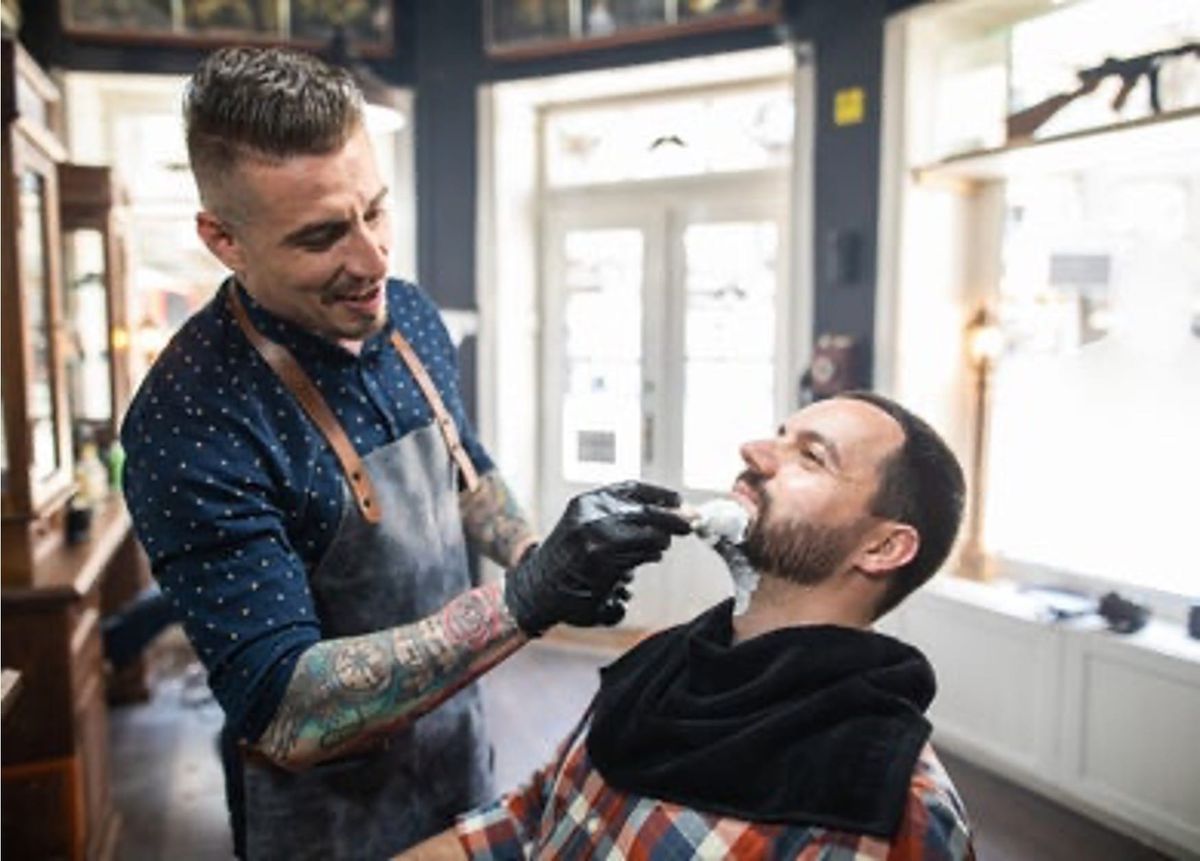
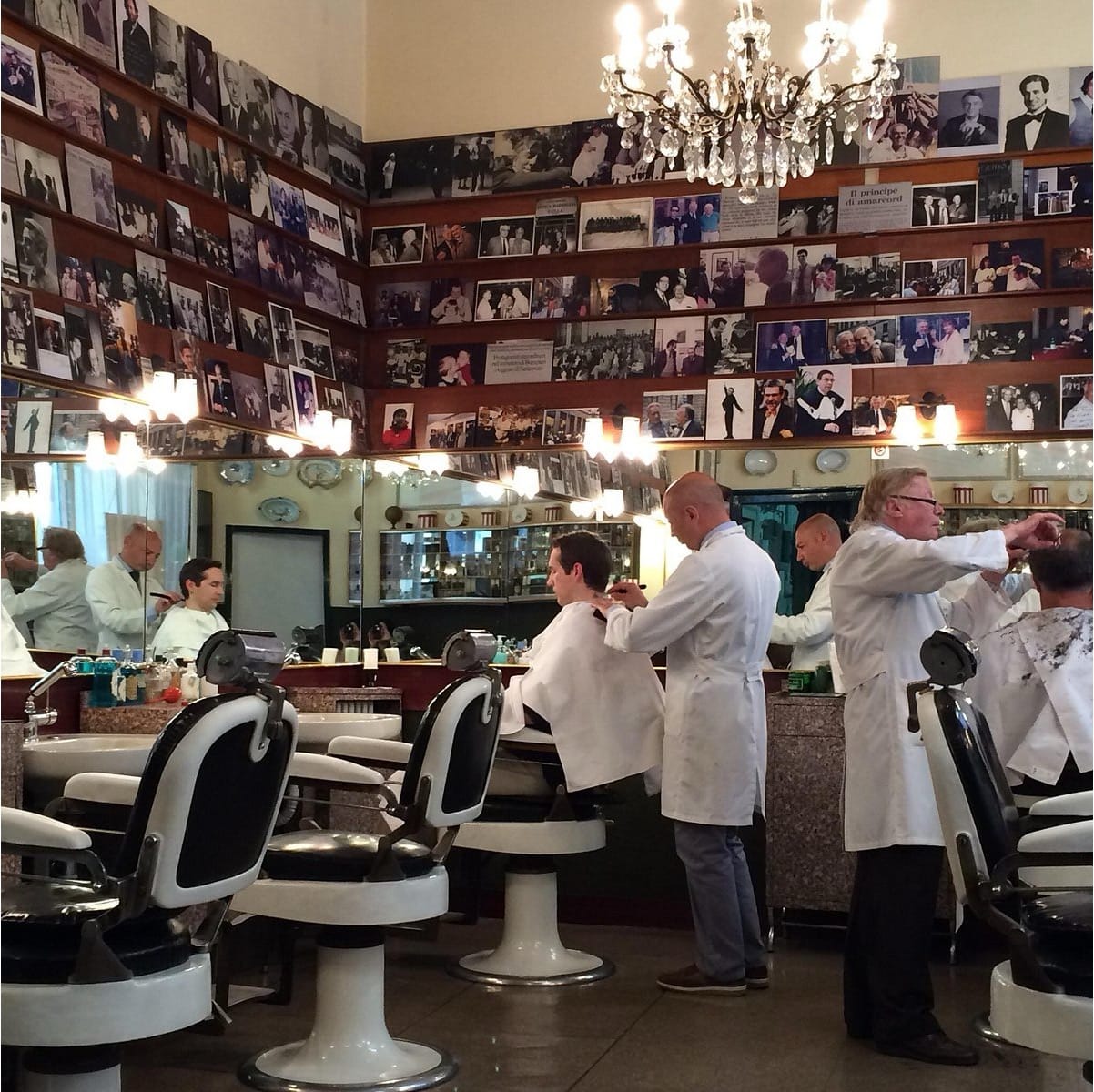
Walk into a traditional Italian barbershop and shaving is rarely just about removing stubble. It is a ritual built around preparation, craftsmanship, fragrance, touch and conversation. That culture helps explain why Italy has become one of the great homes of traditional wet shaving.
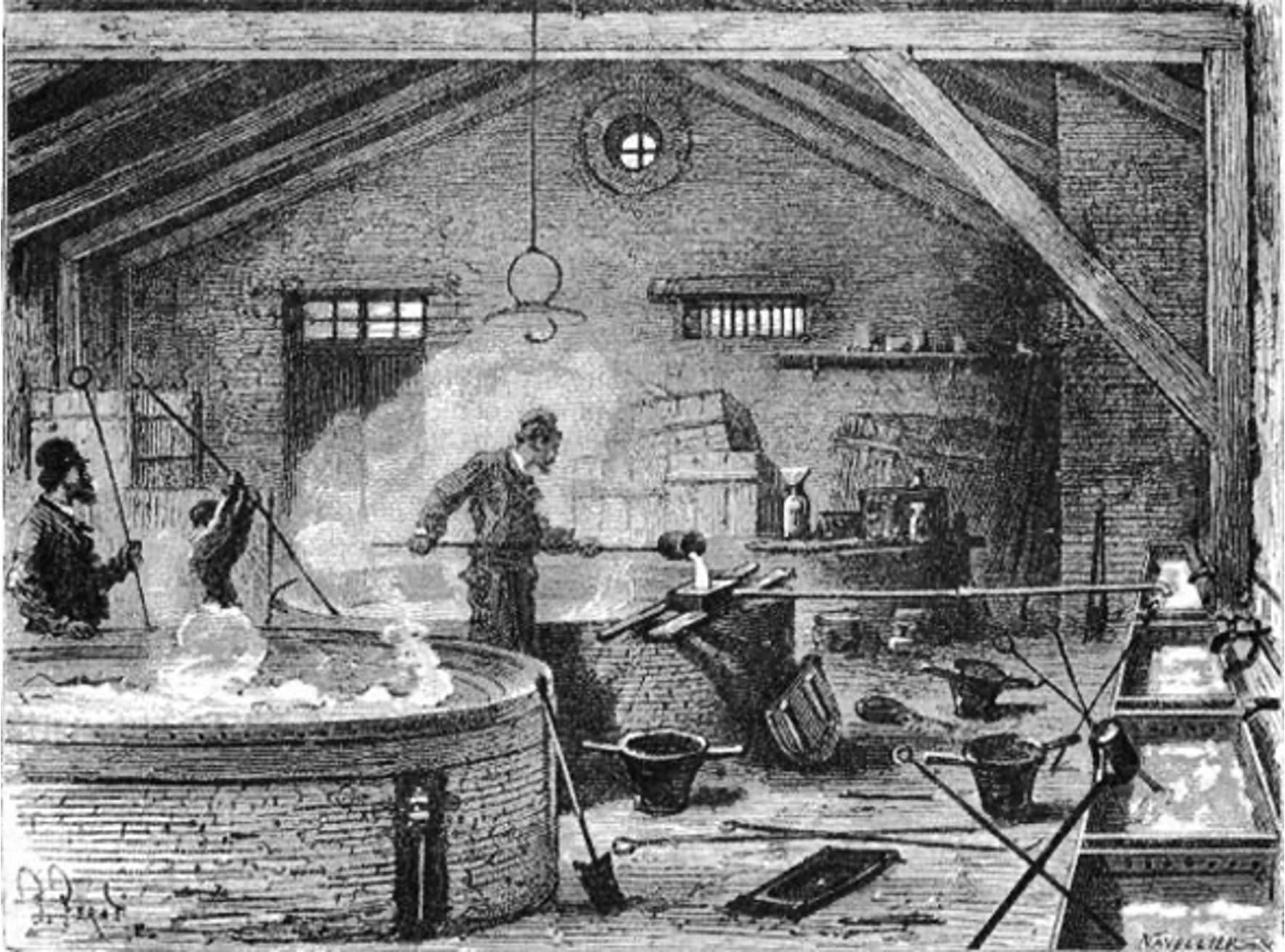
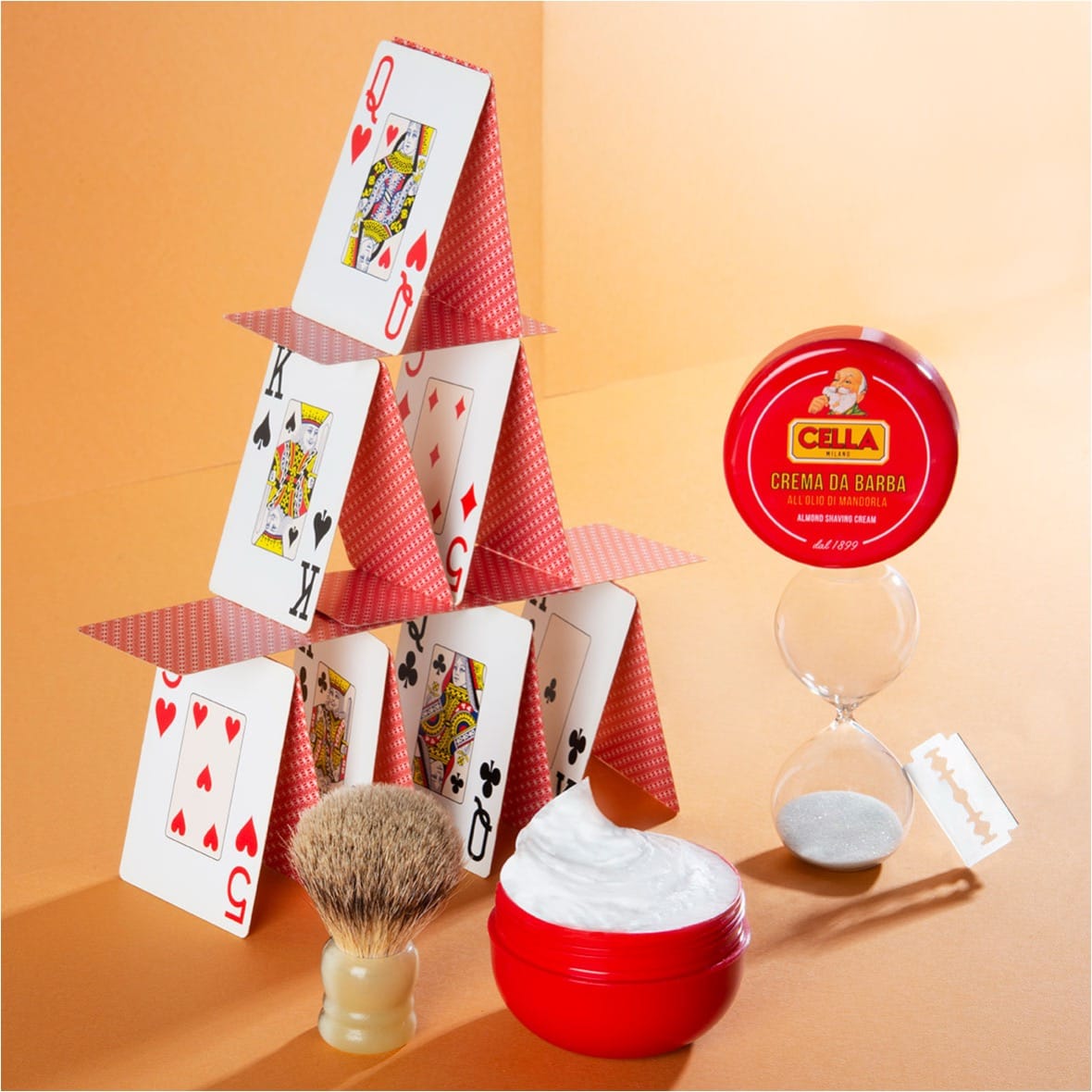
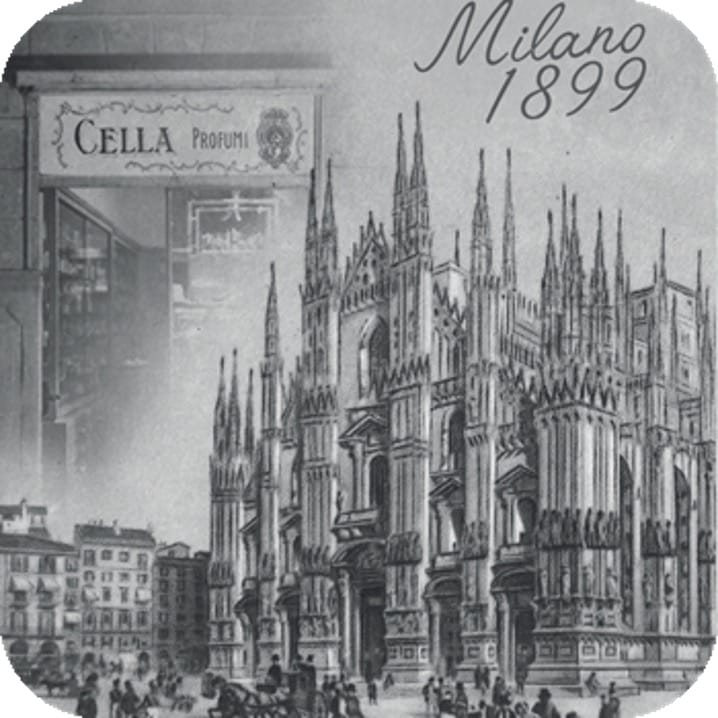
Italy’s barbering heritage stretches back centuries, but the modern wet-shaving story took shape alongside the growth of urban barber shops and Italian soapmaking in the late 19th and early 20th centuries. In Milan, Cella was already making soaps and grooming products in 1899. Its master soapmakers developed a concentrated shaving cream using carefully selected ingredients, slow cooking and maturation. The company’s famous “Extra Extra Purissima” process remains rooted in that original method.
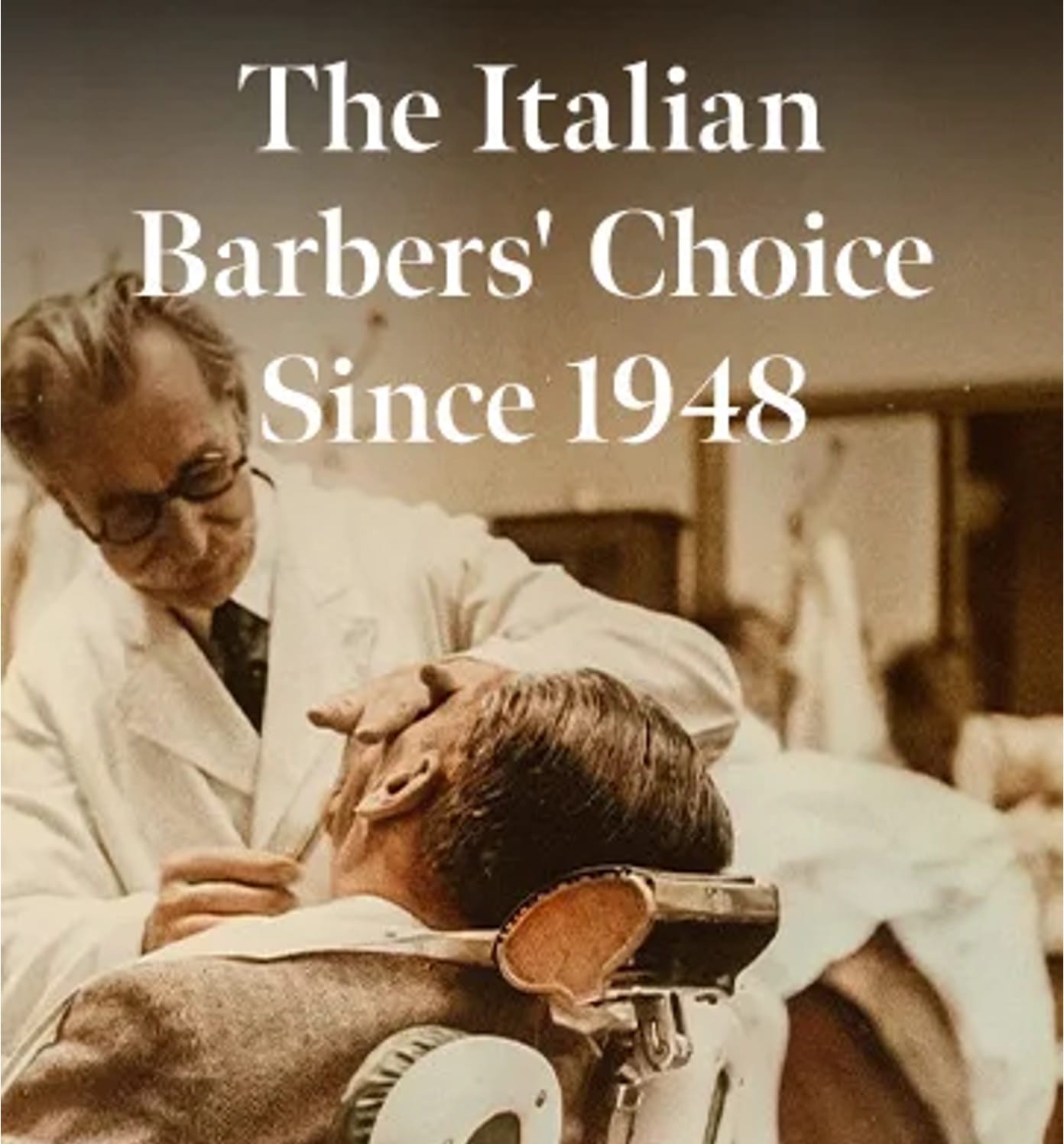
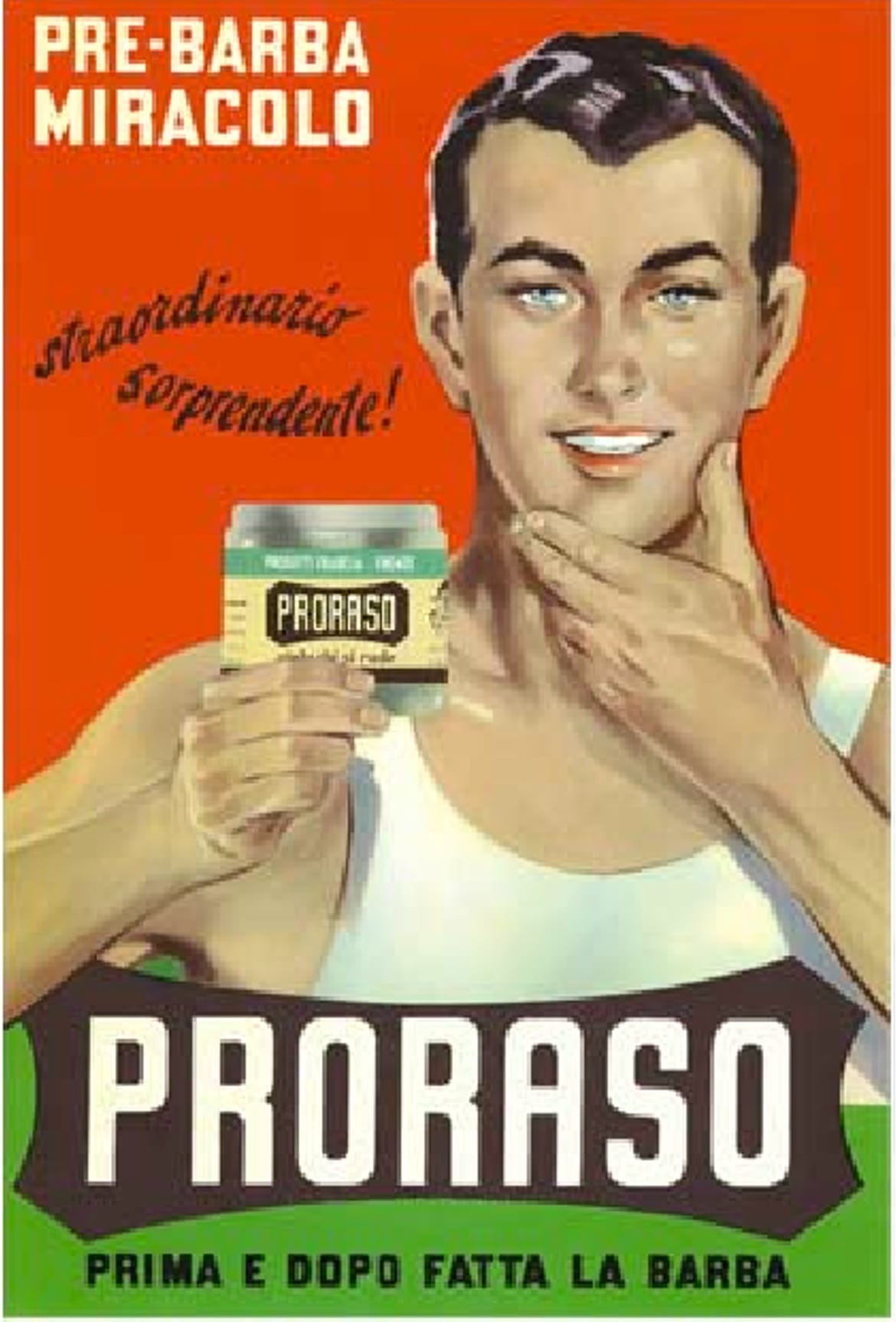
The arrival of the safety razor shifted shaving from the barbershop into the home, but Italy did not abandon the ritual. Instead, Italian manufacturers adapted professional barbering knowledge for everyday use. In Florence, Ludovico Martelli founded his company in 1908; in 1948, his son Piero introduced Proraso’s Pre-Shave Cream. First embraced by barbers, Proraso became an Italian shaving institution and eventually a global name.
That combination of tradition and innovation is the real secret behind Italy’s strength in wet shaving. Italian manufacturers have cultivated specialized skills in soapmaking, cosmetics, fragrance, brushmaking and metalworking, often through family-owned businesses where techniques are passed from one generation to the next.
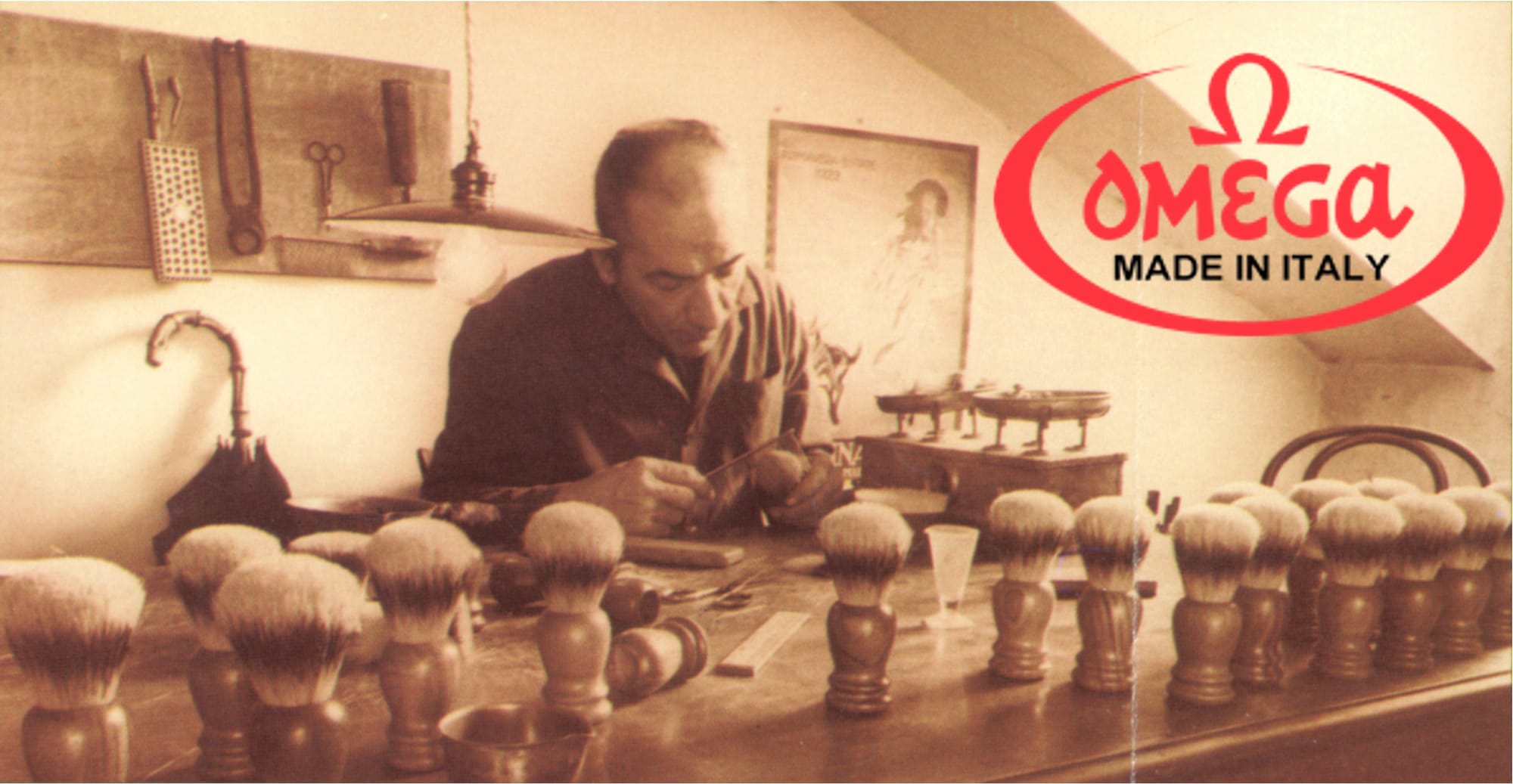
Consider Omega Via Barberia. Omega’s roots reach back to 1931, when the company worked with animal bristles before developing shaving brushes. Today, its Via Barberia line combines that brushmaking expertise with Made in Italy shaving creams and pre-shave products.
Then there is Antica Barbieria Colla, founded in Milan in 1904. More than a product company, it is a living barbershop tradition. Generations of barbers preserved a highly personalized approach to grooming, and the modern brand grew from formulas and methods developed inside the historic shop.
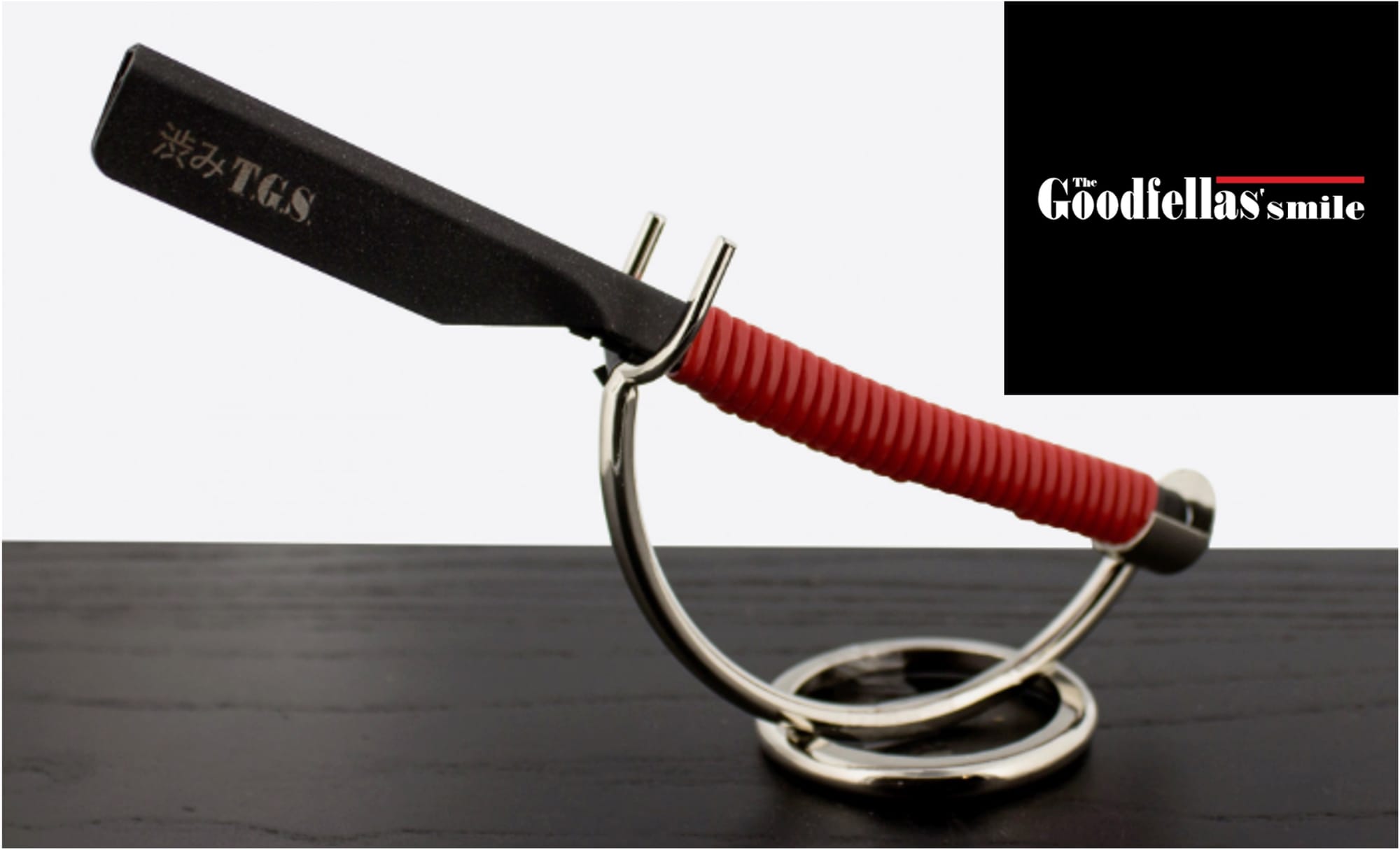
The Goodfellas’ Smile represents a newer generation. Founded in 2011 in the Bergamo area, it built its identity around high-performing, Italian-made wet-shaving products at accessible prices. Its shaving soaps demonstrate how modern formulation can coexist with traditional brush-and-lather techniques.
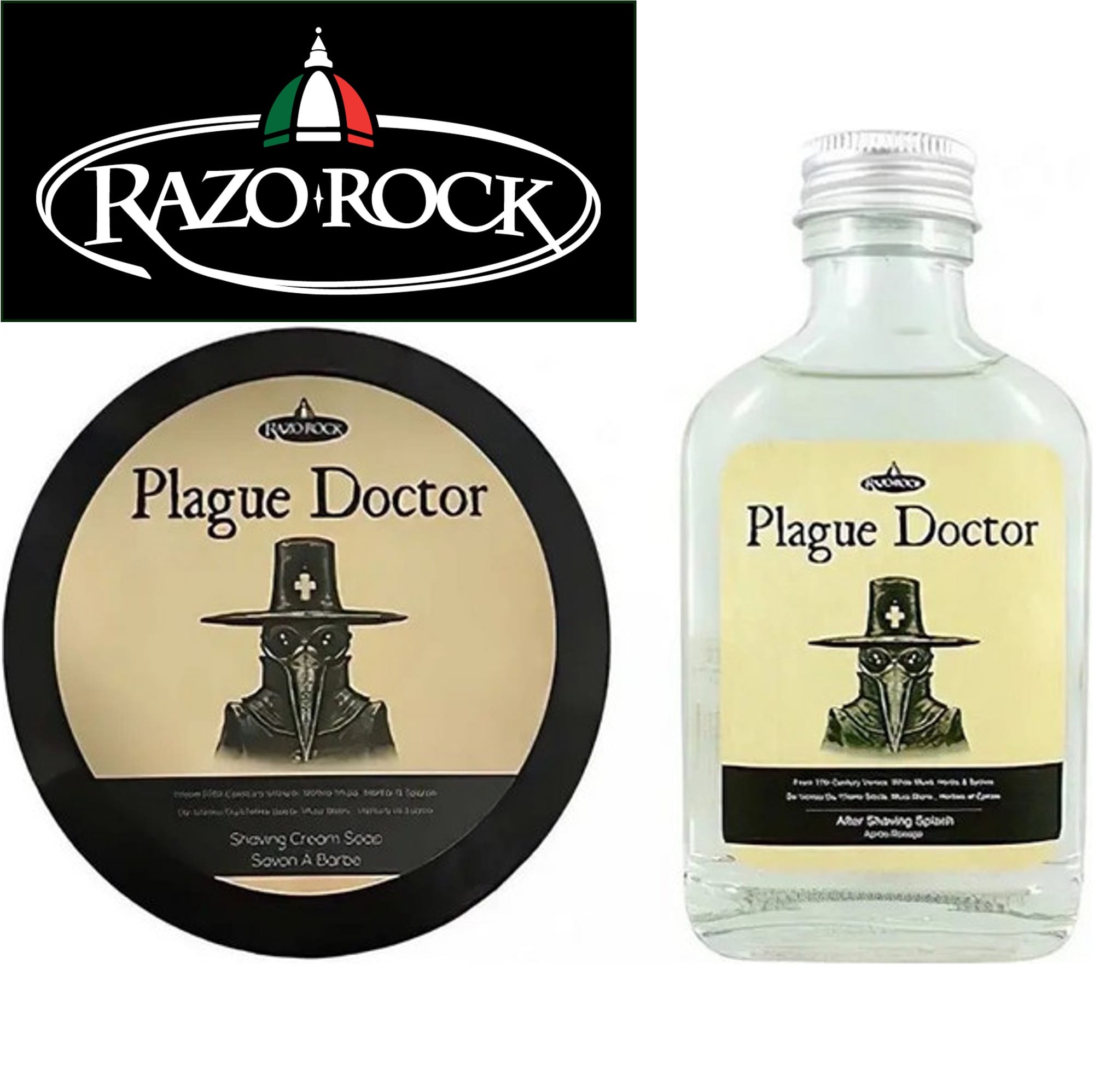
RazoRock is the fascinating outsider in this Italian story. Founded in Canada, its origins trace to an Italian holiday and a search for alum stones in Lucca, Tuscany. Its founders then partnered with Italian artisans to create specialized shaving soaps and aftershaves. RazoRock shows that Italy’s wet-shaving expertise has become influential far beyond Italy itself.
From Cella’s century-old soapmaking to Proraso’s iconic formulas, Omega’s brushes, Colla’s barbershop heritage, Goodfellas’ modern formulations and RazoRock’s Italian collaborations, the common thread is clear: Italy treats shaving as craftsmanship rather than mere maintenance.
That is why “Made in Italy” means something special at the shaving sink. The best Italian wet-shaving brands bring together generations of technical knowledge, sensory design and the distinctly Italian belief that even an everyday routine deserves a little artistry.